A frightening rabies outbreak has sent shockwaves across the Federal Capital Territory (FCT), with health authorities confirming eight positive cases and two tragic deaths, prompting an urgent warning for residents to protect themselves and their pets before more lives are put at risk.
The Federal Capital Territory Administration (FCTA), through its Agriculture and Rural Development Secretariat, confirmed the outbreak on Wednesday, revealing that the deadly virus has already claimed two lives after victims were bitten by infected dogs.
According to the Director of Veterinary Services, Dr. Karnak Dandam, the fatalities occurred in Gwagwalada and Kwali Area Councils, while a total of eight confirmed rabies cases have been recorded—five in Gwagwalada and three in Kwali.
Health officials say emergency measures are already underway to contain the spread of the virus, while residents have been urged to immediately report dog bite incidents and ensure their dogs and cats are vaccinated.
Dr. Dandam described rabies as one of the world’s deadliest viral diseases, explaining that it attacks the central nervous system and is commonly transmitted through the bite of an infected dog or cat. He warned that once symptoms appear in humans, survival is extremely unlikely.
Early symptoms include fever, headache, tiredness, and pain around the bite area. As the disease progresses, victims may experience anxiety, confusion, hallucinations, difficulty swallowing, and in severe cases, unusual behaviour that can resemble barking.
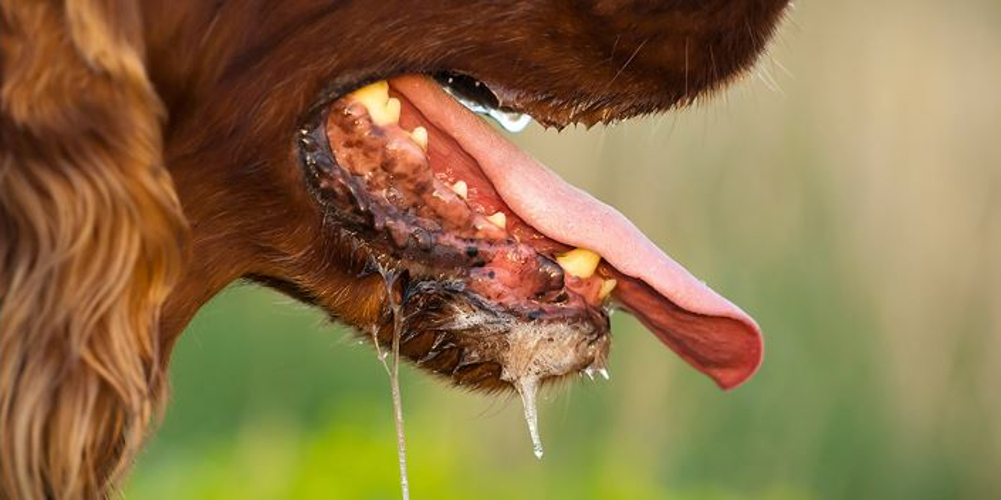
In infected dogs, warning signs include excessive drooling, aggression, difficulty swallowing, hanging jaws, strange behaviour, and an intense fear of water.
The veterinary director advised anyone bitten by a suspected rabid animal to immediately wash the wound thoroughly with soap and plenty of clean water before seeking urgent medical treatment, stressing that quick action can save lives.
Laboratory tests conducted at the National Veterinary Research Institute (NVRI), Vom, confirmed all eight samples tested positive. The first batch of samples was collected in March, while another set collected in early June was confirmed positive on June 15.
Although the FCTA carried out a large-scale vaccination campaign for dogs and cats between December 2025 and January 2026, officials admitted that vaccine shortages prevented many animals from being immunised.
Authorities have now intensified public awareness campaigns across the six area councils, urging pet owners to vaccinate and confine their animals to prevent them from roaming freely and coming into contact with infected dogs.
Residents are also encouraged to take their dogs and cats to approved public or private veterinary clinics for vaccination and certification as officials work to prevent the deadly virus from spreading further.aaa
Leave a Reply