Paraphrased & Professionally Rewritten Article (Gossip-Style, Click-Worthy Version)
A growing wave of controversy is sweeping across Africa as French energy powerhouse TotalEnergies comes under intense scrutiny over its massive Mozambique LNG project, a $20 billion gas development now accused of environmental destruction, human displacement, and alleged neocolonial exploitation.
The project—one of the company’s largest in Africa—aims to extract offshore gas reserves and build a liquefied natural gas (LNG) facility capable of producing about 13 million tons annually. Although it was previously suspended due to rising insecurity and terror threats in the Cabo Delgado region, operations were revived in 2026, triggering fresh global outrage.
Environmental watchdogs are now raising alarm bells, claiming the project is causing irreversible damage to fragile ecosystems. Satellite reports allegedly show dredging activities already impacting coral reefs, with critics warning that restoration could take decades—if it ever fully recovers. Even more worrying, campaigners estimate that lifetime emissions from the project could reach billions of tonnes of CO₂, intensifying global climate concerns.
The destruction isn’t limited to marine life alone. Reports suggest that over 320 hectares of forest cover have already been cleared to make way for infrastructure, including areas previously marked for protection.
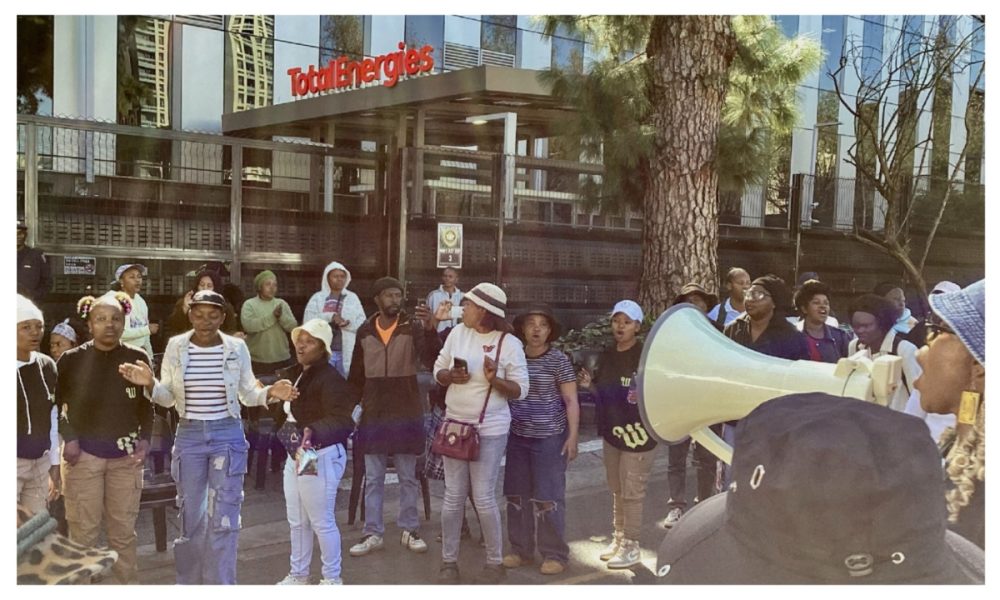
Backlash has intensified globally. In 2025, more than 120 NGOs reportedly petitioned financial institutions to halt funding for the project, while legal groups including environmental and human rights organisations have launched lawsuits challenging international financing approvals worth billions of dollars.
Activists also accuse the project of deep social consequences, including forced displacement of thousands of residents in Cabo Delgado. Communities allegedly affected claim loss of farmland, fishing access, and livelihoods, sparking outrage over what critics describe as a growing humanitarian crisis linked to industrial expansion.
One advocacy voice involved in the legal challenge argued that continuing support for gas extraction in Mozambique would represent a betrayal of both local communities and global climate commitments, insisting that the project mainly benefits multinational interests and a small political elite rather than ordinary citizens.
Despite these accusations, TotalEnergies maintains that its operations comply with international environmental and safety standards. However, critics insist that mitigation plans remain unclear, compensation measures insufficient, and transparency lacking.
Construction continues regardless, deepening the debate over whether economic ambition is being prioritised over environmental protection and human rights.
At the heart of the controversy lies a bigger question: Is Mozambique witnessing development—or a new wave of resource exploitation under global corporate power?
For many observers, the situation has become a symbol of the wider tension between Africa’s natural wealth and the influence of powerful foreign energy corporations.
And as pressure mounts, one thing is clear: the world is watching Mozambique closely as the battle between profit, people, and the planet intensifies.
Leave a Reply