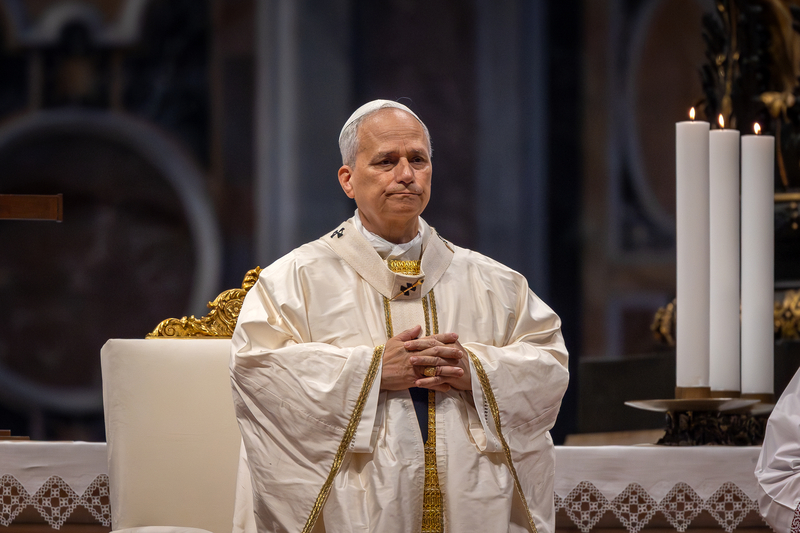
In a shocking and emotional revelation that has sparked global reactions, the head of the Catholic Church, Pope Leo XIV, has openly apologised for the Vatican’s historical involvement in slavery — a move many are calling long overdue.
The stunning apology came through a major document titled Magnifica Humanitas (“Magnificent Humanity”), where the Pope admitted that the Catholic Church was slow in condemning slavery and acknowledged the painful role church institutions played in legitimising human bondage centuries ago.
Describing slavery as a painful stain on Christian history, Pope Leo reportedly called it “a wound in Christian memory,” while admitting that the Church cannot pretend to be disconnected from its troubling past.
According to the Pontiff, the Vatican, at different periods in history, responded to requests from rulers and governments by regulating and, in some situations, approving forms of human subjugation — including the enslavement of people described at the time as “infidels.”
Even more surprising, Pope Leo revealed that church institutions owned enslaved people up until the Middle Ages, raising fresh conversations about religion, accountability, and historical justice.
“For this, in the name of the Church, I sincerely ask for pardon,” the Pope declared, in what many observers are describing as one of the boldest acknowledgements ever made by a Vatican leader on the Church’s historical ties to slavery.
While previous Catholic leaders had condemned slavery, Pope Leo’s statement appears to go further by directly recognising the Vatican’s role in legitimising certain forms of enslavement in the past.
Pope John Paul II had spoken against slavery in the 1990s and later sought forgiveness for wrongs committed by Christians during history, while Pope Francis repeatedly condemned modern slavery and human exploitation. However, Pope Leo’s latest remarks have sparked fresh debate worldwide.
The Pope also warned that slavery has not disappeared completely, saying dangerous “new forms of slavery” are emerging today — especially through the digital economy, exploitation, and human trafficking.
His statement arrives at a time when global discussions around reparations, colonial injustice, and the legacy of slavery continue to intensify, with religious bodies and governments increasingly facing pressure to answer for their historical actions.
Now, many are asking: Is this apology enough, or should the Vatican do more to address the scars of history?
Leave a Reply